The
Jerusalem
Biennale
זרמי עומק
לולה וילנקין

בספרו 'לכתוב היסטוריה, לכתוב טראומה' (2001), טוען דומיניק לה־קפרה כי הטראומה אינה רק מיוצגת, אלא עוברת תהליך של עיבוד – תהליך דינמי הנע בין חשכה לאור, בין פירוק להתלכדות, ובין זיכרון לדמיון יצירתי. צבעי המים ועבודות ההדפס היחידאיוֹת (מונוטיפ) של פמלה סילבר, אשר נוצרו בירושלים בצל ההיסטוריה האישית של האמנית וחייה בחברה פצועה ושסועה – הן ביטוי מדויק לתהליך זה. בעבודותיה של סילבר, העבר וההווה מיתרגמים לצבע, למקצב ולצורה.
התערוכה עוקבת אחר המסלול שעוברת האמנית מחושך לאור. מתוך גוני הכחול העמוקים והכהים, עולה הדהוד הזיכרון המודחק. שכבה אחר שכבה, דרך התפרצויות של טורקיז וזהב, מתחילים פני השטח להשתנות. וככל שהפיגמנטים מתפזרים ומשיכות המכחול משתחררות, כך מסתדרות הקומפוזיציות במעגלים ממורכזים, במבנה של מַנְדָלָה.
בעיני קארל יונג, המנדלה היא כוח מפצה המופיע באופן ספונטני בתקופות של כאוס פסיכולוגי עמוק או אובדן אוריינטציה. אצל סילבר, צורות ממורכזות אלו פועלות כמעין מקום בטוח, המטיל סדר מקצבי על המצב הנפשי המעורער. תהליך זה מקדם את מה שיונג כינה 'אינדיבידואציה': שילוב היבטים מפוצלים של האישיות לכדי 'אני' שלם, מאוחד ומורכב. באמצעות תנועה לעבר המרכז הוויזואלי, מחפשת סילבר במסעה היצירתי אחר יציבות משקמת בתוך הריסות הטראומה.
קורותיה של סילבר, מילדותה ביוהנסבורג וזימבבווה שבדרום אפריקה, דרך היסטוריה משפחתית של עקירה, מתחברות לטראומה הקולקטיבית של מלחמה. עבודתה, הנטולה ייצוג פיגורטיבי של טרגדיה, נושאת את חותמה של חברה המנסה לשוב לאיזון לאחר הלם קולקטיבי. הקומפוזיציות המוארות שלה מתפקדות כמטפורות להחלמה חברתית.
הקו המופשט של סילבר דוחה את הייאוש באמצעות הנחות צבע שקופות ומשיכות מכחול חוזרות ונשנות – כל שכבה מכירה במה שקדם לה, אך מסרבת להישאר כבולה אליו. צבעי המים ועבודות ההדפס (מונוטיפ), המדיומים העיקריים שלה, הם למעשה מטפורות לתהליך נפשי. הנזילות שלהם מאפשרת לפיגמנטים לנבוע ולהתפתח כמו זיכרונות הצפים ונמוגים, ובכך הן מתגמלות את נכונותה של האמנית לשחרר שליטה.
התערוכה יוצרת מרחב שבו הצופים יכולים לשהות, להרגיש ולחשוב מחדש. היצירה של פמלה סילבר משרטטת מסלול רגשי המשקף את המסע שרבים חווים בעקבות משבר: בתוך תהודת הקונפליקט והאובדן, מתאפשר ריפוי; השפה הוויזואלית המופשטת של סילבר מעניקה סדר ויציבות, מאשרת כי הצבע חוזר לחיים, ויחד איתו גם האפשרות לתקווה.
אמנים
פמלה סילבר

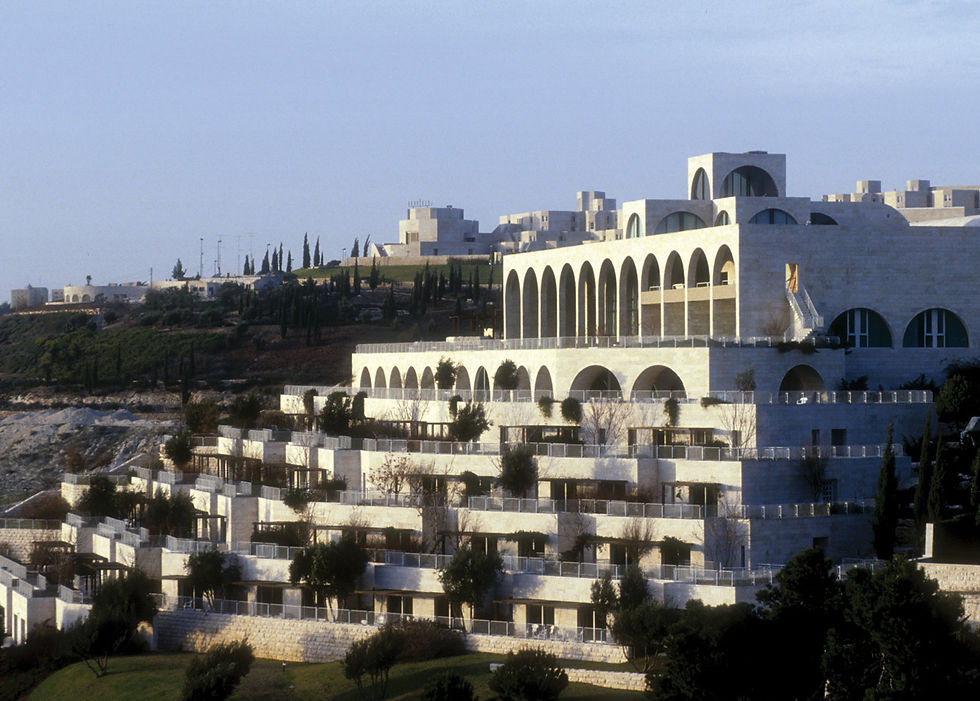
לתערוכות נוספות באותו מתחם, בקרו באתר:
המרכז הירושלמי של אוניברסיטת בריגהאם יאנג
פתוח החל מ27.9
לפני הקונצרטים ואחריהם בימי א׳ וה׳: 19:00–21:30
ד׳–ו׳: 10:00–11:30 ו־14:00–15:30
לוח הקונצרטים: https://byu-jc.org/schedule
