The
Jerusalem
Biennale
Open Wound
Udi Urman
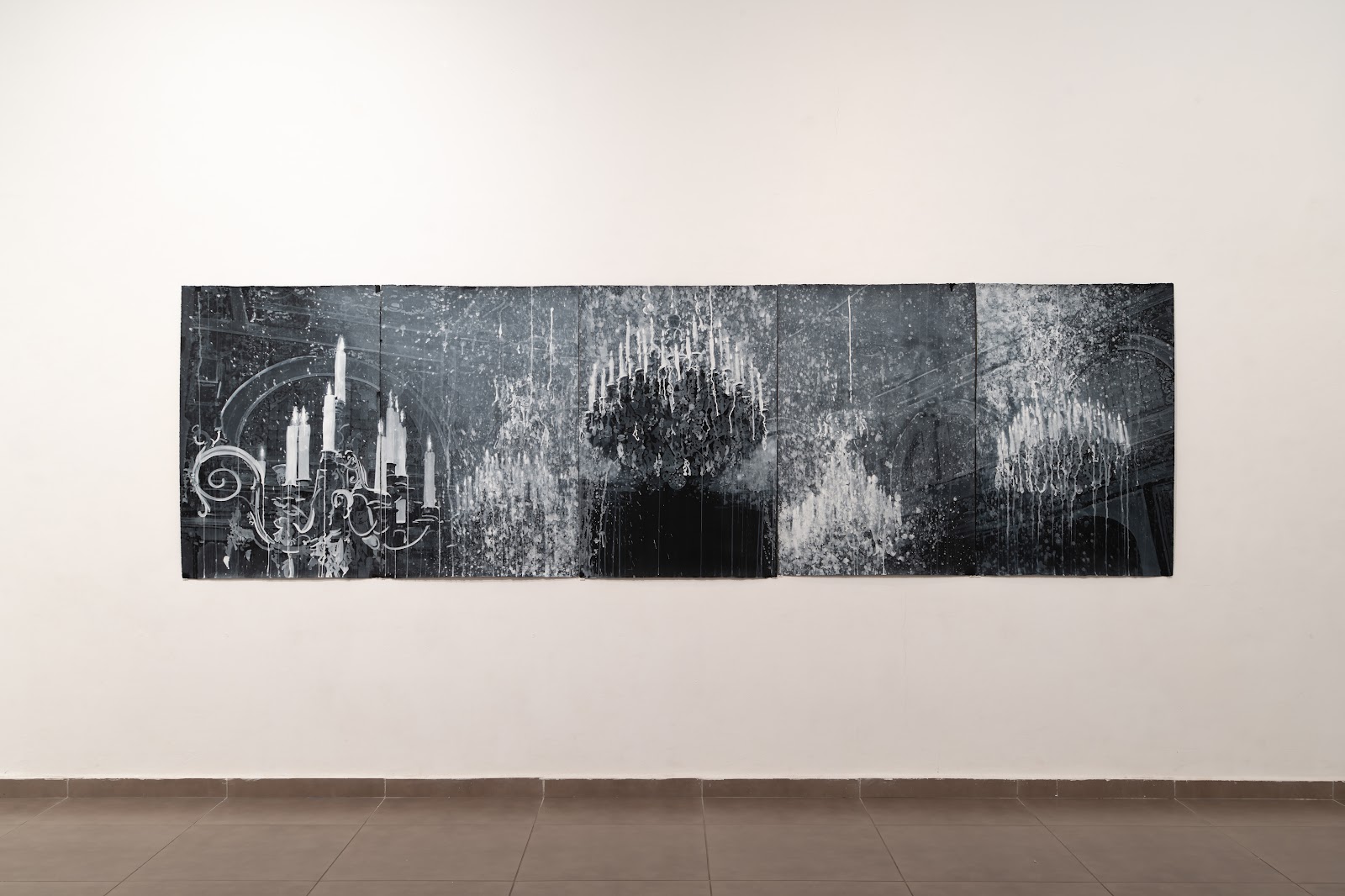
From emotional, historical, and spiritual depths, voices rise, not seeking redemption, but a space to bleed, to ache, to be heard. Open Wound does not avert its gaze; on the contrary, it looks directly, with open eyes, into the rupture. Before it crusts over, is covered, obscured. Diving into collective pain is not a retreat, not a weakness, but a necessary inquiry. The artists in this exhibition create from within the wound, from the place where identity unravels, where faith is cast into doubt, where resilience may be born. The exhibition originates at the Marlene Meyerson JCC Manhattan, a community center that serves as a bridge between Diaspora Jewry and Israel. The catastrophe of October 7 was an earthquake, one that shook the very foundations of our collective being. It sent waves of pain, terror, and loss through the nervous system of the entire Jewish people, rippling across the globe. Every bridge was set alight. The works in this exhibition bear witness to a shared pain that knows no borders—not of place, not of time, not of suffering. The artists presented here come from diverse backgrounds, yet they are united in their commitment to explore pain as a creative force, transforming the gallery into a space that connects fracture and creation. The works do not offer the stilted silence of a museum but, rather, a hallowed prayer rising softly from within the wound. They do not exude comforting beauty but, rather, the strength found in staring directly at the core of the fracture. They incorporate bruised materials, fractured media, trapped light, exposed seams, and echo the rending of mourners' garments, the irreparable rupture between the living and the dead, the wholeness that persists alongside the wound. Open Wound offers a space where rupture and repair coexist. Rather than presenting narratives of healing, the works embrace uncertainty and quiet strength, the courage and honesty required to remain present within pain. Cracks are not concealed; they are illuminated. Jewish tradition, especially in times of upheaval, danger, and threat, does not view art and religion as an escape but, rather, the emotional resilience, to live, create, endure. From the tearing of clothing for the dead emerges the call toward life. This is not an exhibition that provides answers, nor even questions but, rather, testimony, presence, and observation. The ability to see pain and dwell within it is what gives rise to faith, that even from the depths of rupture, light can break forth.
Artists
Erez Aharon
Ziva Ben-Arav Rabinovitz
Shulamit Bismuth
Yasmin Elephant
Shany Gin
Marik Lechner
Michel Platnic
Dana Reisin
Noam Reshef
Daniel Tchetchik
Amir Tomashov
Hamutal Yacobovitz
Studio Special Edition